


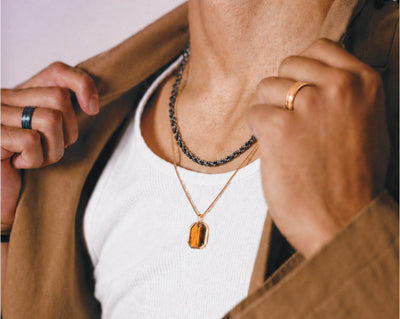
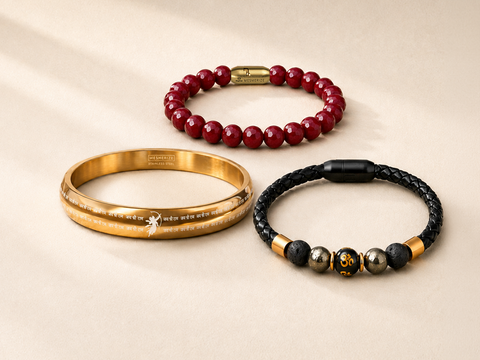
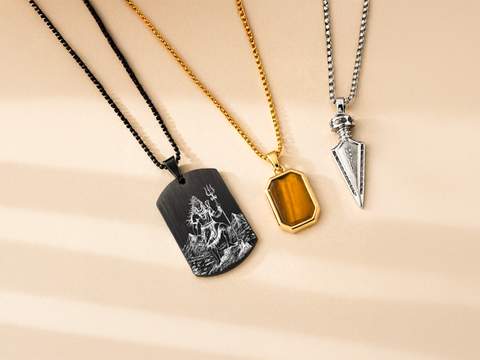
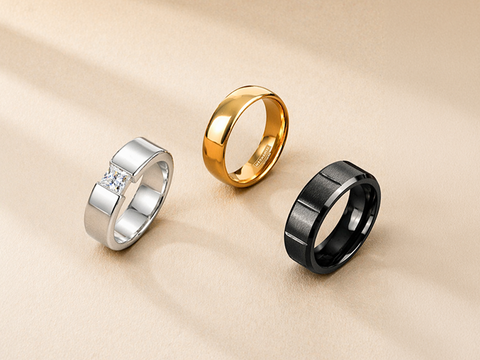
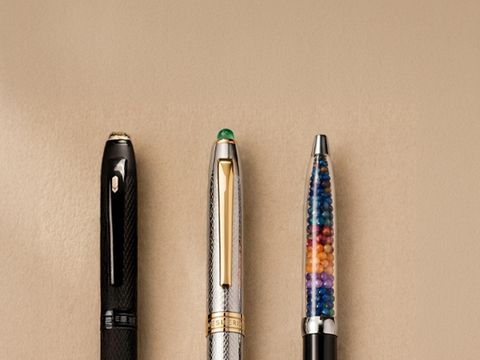
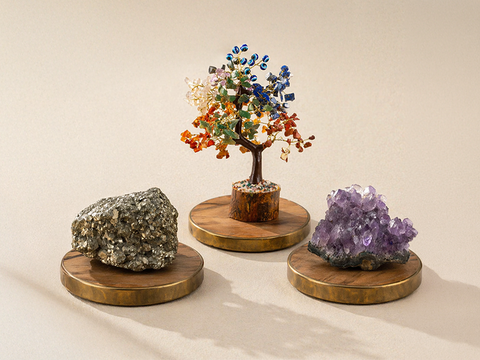
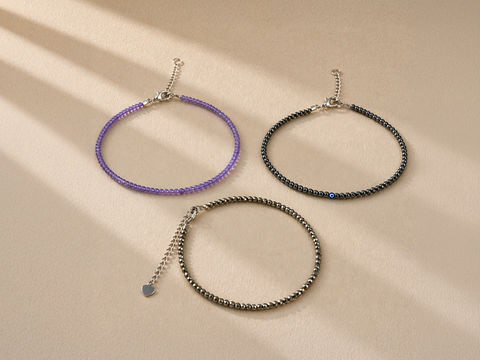
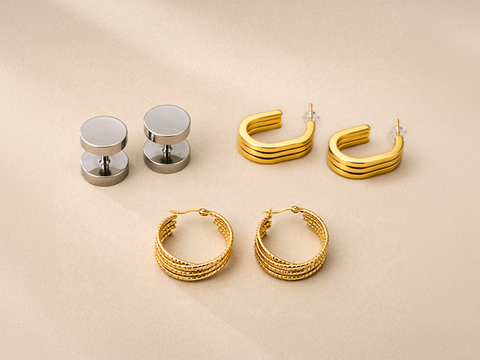
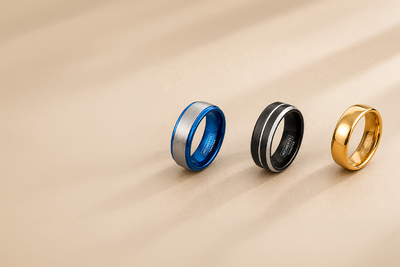
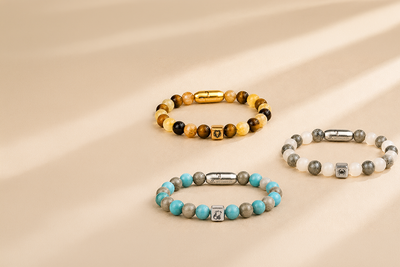
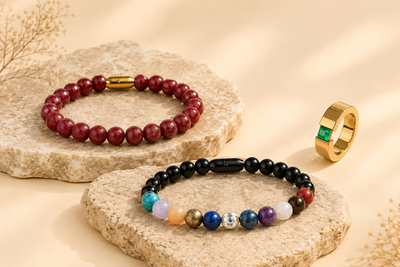
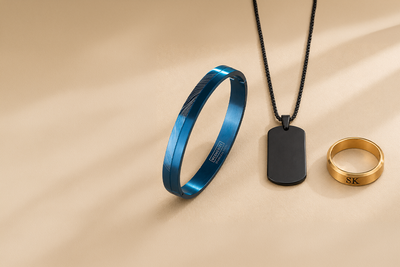
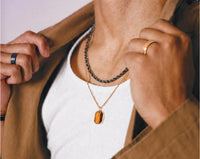

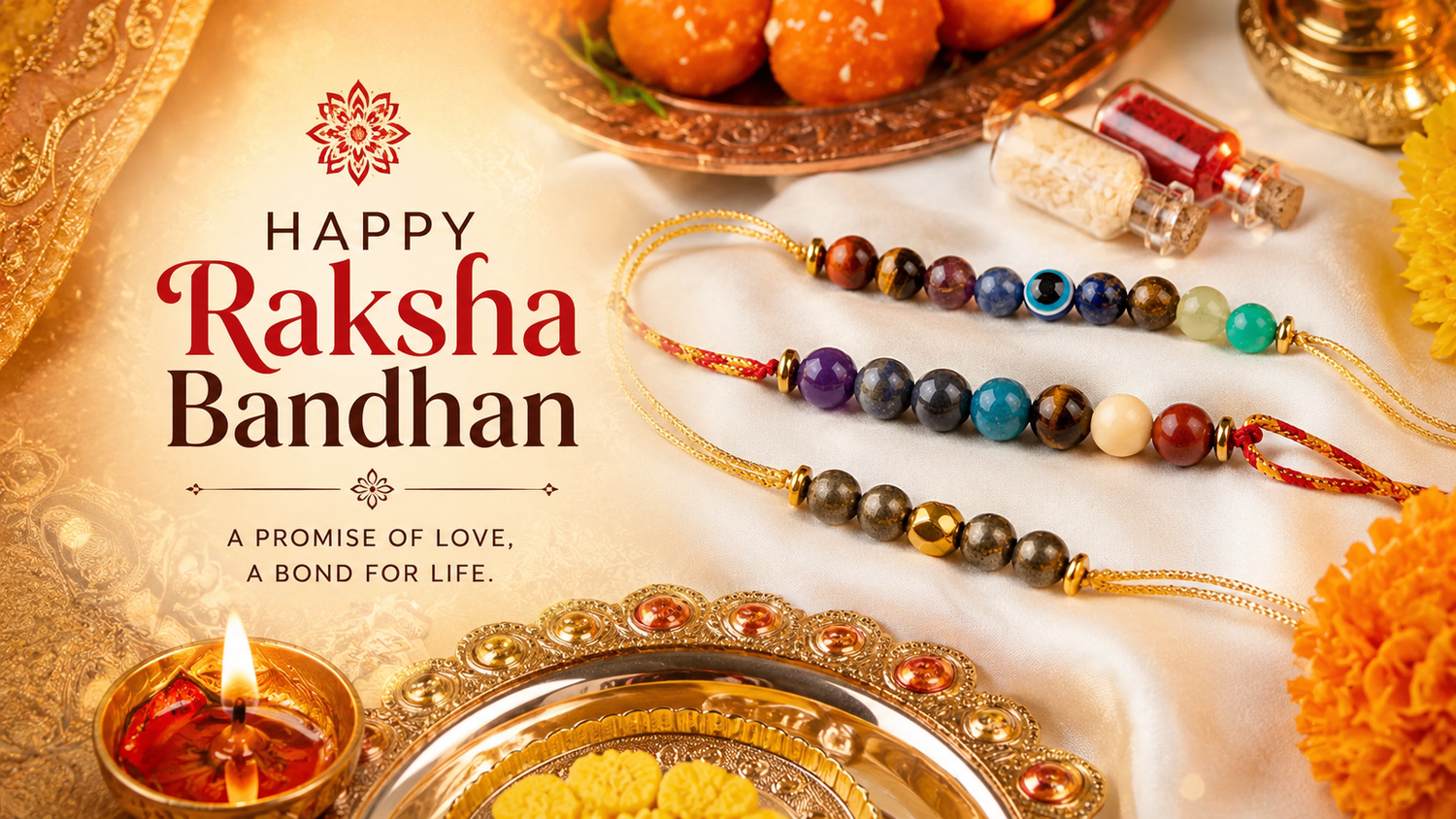
There was a time when a rakhi was just a rakhi: a bright thread, maybe a bit of gold foil, tied around a wrist and forgotten by the following week. Somewhere between Instagram mood boards and a generation that wants its gifts to say something, that's changed. Today, more people are choosing meaningful rakhis, pieces built around spiritual symbols, natural gemstones, and personal significance, over the plain mass-produced threads that used to line every store shelf in August.
If you've noticed this shift too, or you're the sibling wondering what to send this year, you're in the right place. Let's talk about why this is happening, what "meaningful" actually looks like in a rakhi, and how to pick one that feels like your bond.
What Makes a Rakhi "Meaningful" in the First Place?
A meaningful rakhi isn't defined by price or size. It's defined by intention. Instead of a generic thread picked off a rack, it's chosen around something specific: a shared belief, a stone, a protective symbol, or a value the sibling relationship represents.
The Shift From "Traditional" to "Symbolic"
Traditional rakhis were built around ritual. The thread (raksha) itself was the symbol of protection. Modern rakhis keep that emotional core but layer in personal meaning: a stone traditionally tied to strength, a motif tied to faith, a design tied to a memory only the two of you share.
Why This Trend Is Growing Now
A few things are driving it:
- Gifting has become more personal across festivals in general. People want fewer generic items and more things that feel chosen.
- Spiritual and wellness interests are mainstream. Crystals, chakra stones, and symbolic jewellery aren't niche anymore.
- Rakhis are being kept, not discarded. When a rakhi is built to last, it has a life beyond Raksha Bandhan day.
Types of Meaningful Rakhis Worth Knowing About
If you're exploring options, it helps to know the main categories people are gravitating toward.
Spiritual and Deity Rakhis
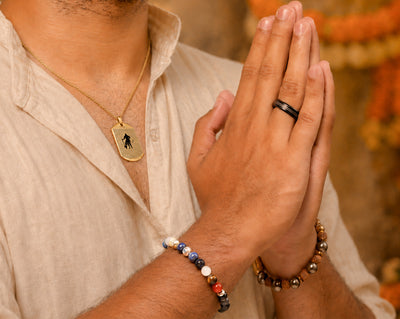
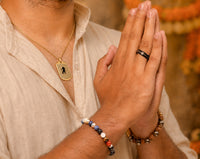
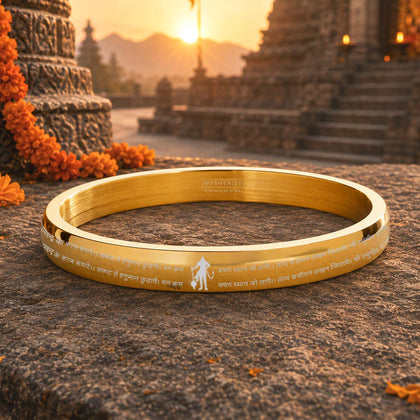
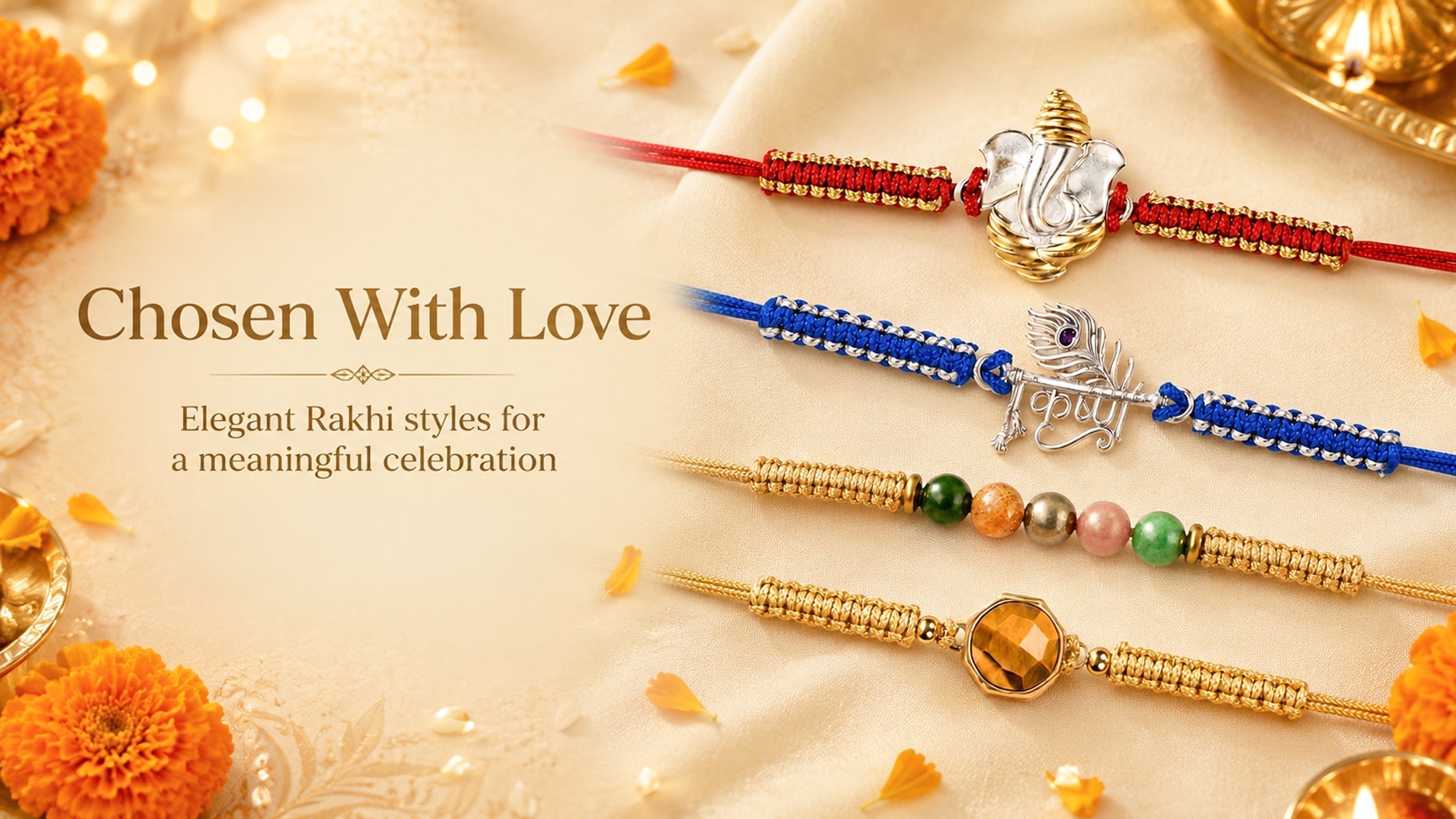
These rakhis carry sacred symbols, Om, Trishul, Ganesha, Shiv, meant to invoke blessings and protection rather than just decorate. They suit siblings who want the rakhi to double as a small devotional keepsake, something that can sit near a puja shelf or be worn well beyond the festival. The Shivji, Trishul and Ganesha rakhis are 999 silver plated with clean, detailed motifs.
Best for: siblings with strong spiritual or religious ties, or families who like rakhis that echo the original devotional purpose of Raksha Bandhan.
Natural Stone and Gemstone Rakhis
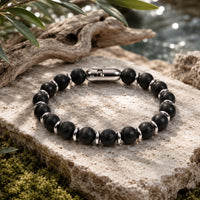
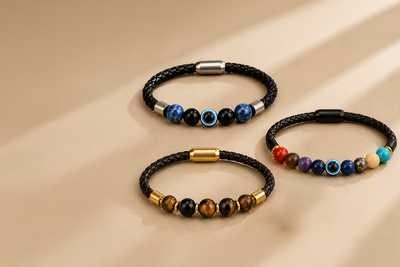
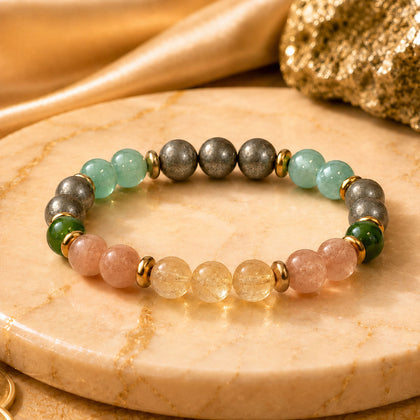
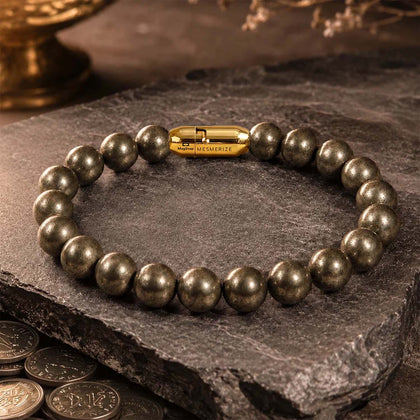
Instead of plastic beads or synthetic stones, these rakhis use certified natural gemstones, each traditionally associated with a different quality. Pyrite is traditionally associated with abundance, lapis lazuli with clarity and calm. Many people choose the stone based on the quality they want to send a sibling rather than on colour alone.
The Money Magnet Pyrite and the 11 carat Lapis Lazuli are the two most asked for. These are traditional associations passed down through practice rather than guaranteed outcomes, which is the honest way to give one.
Best for: siblings interested in wellness or stones, or anyone who wants a rakhi that reads as proper jewellery rather than a festival throwaway. There is more on the symbolism in our guide to spiritual rakhi designs.
Chakra Rakhis
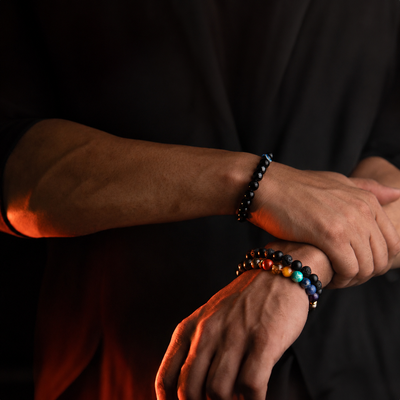
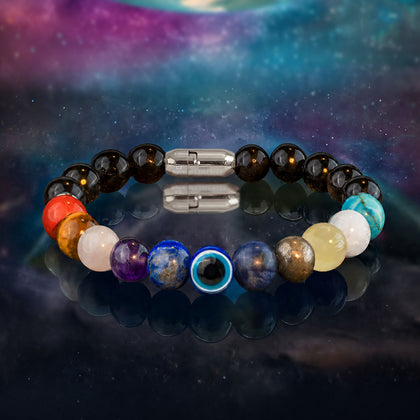
Chakra rakhis carry several stones at once, one for each chakra in the traditional system, so a single piece covers multiple wishes rather than one. The Super 9 Chakra carries nine stones and the Balance 7 Chakras is the classic seven-stone version.
Best for: the sibling who wants the meaning explained, or anyone who cannot narrow the wish down to one thing.
Modern Minimalist Rakhis
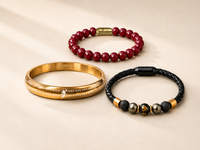
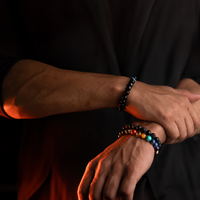
Clean threads, subtle metallic accents, small charms, designed for siblings, often brothers, who'd never wear a heavily embellished thread but still want something with substance. The meaning here usually comes from a single symbol rather than elaborate decoration.
Best for: working professionals, siblings who prefer understated accessories, or anyone shopping for a brother who's picky about what he'll actually wear.
Lumba Rakhis for Bhabhi
A Lumba rakhi hangs from the bangle rather than tying at the wrist, so the gesture covers the whole household rather than just the brother. The Balance 7 Chakra Lumba is a natural stone version.
Best for: anyone who wants the ritual to include bhabhi, or who is sending a matching set.
Meaningful vs Traditional Rakhis: What's Actually Different?
| Aspect | Traditional Thread Rakhi | Meaningful Rakhi |
|---|---|---|
| Materials | Cotton or silk thread, synthetic beads | Natural stones, symbolic charms, quality metals |
| Purpose | Ritual symbol of protection | Ritual symbol plus personal or spiritual meaning |
| Lifespan | Usually discarded within days | Often kept as a keepsake |
| Personalization | Low, mostly generic designs | High, chosen around belief or bond |
| Emotional weight | Symbolic by convention | Symbolic by convention and personal choice |
Neither is "wrong". Traditional rakhis still carry the same sacred intent. Meaningful rakhis simply add another layer: they're chosen to reflect this specific sibling relationship, not just the ritual itself.
How to Choose a Meaningful Rakhi for Your Sibling
A few honest questions to ask yourself before you buy:
- What does your sibling actually wear? A devout, ritual-focused sibling may love a deity rakhi; a minimalist dresser might prefer subtle stone accents.
- Is there a stone or symbol tied to something personal? A shared belief, or a quality you associate with them. This is where "meaningful" really shows up.
- Do you want it to last beyond the festival? If yes, look for certified natural stones and sturdy craftsmanship over synthetic, one-day materials.
- Are you sending more than one rakhi? A rakhi and a matching Lumba tend to feel more complete as a single gift.
Frequently Asked Questions
Q: Are gemstone rakhis as spiritually significant as traditional thread rakhis?
A: Yes. The significance of a rakhi comes from the ritual and intention behind tying it, not the material. Many people choose gemstones specifically because the stone's traditional meaning, whether protection, strength or calm, adds to that intention rather than replacing it.
Q: Can meaningful rakhis be worn after Raksha Bandhan?
A: Absolutely, and that's a big part of their appeal. Many stone and minimalist designs are made to last, so the rakhi isn't retired the day after the festival.
Q: How do I know which symbol or stone is "right" for my sibling?
A: Start with what matters to them personally: faith, or a quality you associate with your relationship such as protection, calm or strength. There's no single correct choice; the right one is whichever feels true to your bond.
Q: Are meaningful rakhis more expensive than traditional ones?
A: They can be, especially with certified natural gemstones or fine metalwork, but there are meaningful options across most budgets. The meaning comes from the choice and symbolism, not necessarily the price tag.
Q: What's the difference between a spiritual rakhi and a symbolic rakhi?
A: "Spiritual" usually refers to devotional symbols such as Om, deities and sacred motifs, while "symbolic" is broader and can include gemstones, colours or design elements chosen for personal or cultural meaning rather than religious ones.
Final Thoughts
Raksha Bandhan has always been about a promise, not the thread itself. What's changing is how people express that promise, leaning toward rakhis that carry a bit of faith, a bit of personality, and a bit of thought, rather than something picked up in a hurry. Whether you go spiritual, stone, chakra or minimalist, the best rakhi isn't the fanciest one. It's the one that actually feels like the two of you.
Ready to find a rakhi that means something? Explore the full rakhi collection, with certified natural stones, silver-plated deity designs and Lumba sets.

Leave a comment
All comments are moderated before being published.
This site is protected by hCaptcha and the hCaptcha Privacy Policy and Terms of Service apply.